Do You Need Irrigation Before Installing a New Fence? Irrigation Installation in Pace, FL
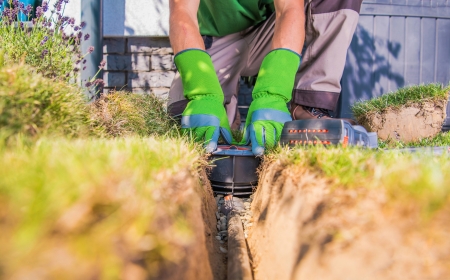
Thinking about a new fence in Pace, FL? Before the first post goes in, it pays to look at how water moves across your yard. Coordinating irrigation installation planning with fence design helps prevent rot, stains, leaning posts, and early repairs. In our coastal climate, the right sequence protects your investment and keeps your fence looking sharp longer.
At Santa Rosa Fence and More LLC, we help homeowners match water use to turf, plants, and soil while keeping fence lines dry and stable. The goal is simple: a landscape that thrives without soaking your fence or washing out the base.
Why Irrigation Comes First for Fences in Pace, FL
Pace sits in the Florida Panhandle, where hot summers, pop-up thunderstorms, and tropical systems can drench a yard in a hurry. Sandy soils drain fast, but low spots and compacted areas still puddle. When irrigation and drainage are not planned before fencing, you may trap water along the fence line or aim sprinkler heads straight at posts and pickets.
That constant wetting leads to issues like swelling, mildew, and premature hardware corrosion. It can also create channeling along the fence, where runoff scours soil away from posts. Getting irrigation in first sets the water pattern, so your fence builder can design footing depths, materials, and clearances that match the site.
Upgrade your outdoor space today with our expert Irrigation Installation services in the Milton area!
How Poor Irrigation Damages Fences
Overspray and Saturation
Sprinkler overspray keeps fence boards and fasteners damp for hours at a time. Over weeks and months, that moisture can lift finishes, discolor wood, and speed decay. Vinyl and metal fare better, but constant wetting still encourages algae and staining where minerals dry on the surface.
Erosion, Puddling, and Posts
Water that collects along the fence line softens the soil around posts. As storms roll through, that soft soil shifts and settles. The result is subtle leaning that gets worse each season. You may not see it right away, but gates start to drag and latches stop lining up.
Water Quality and Corrosion
Hard water or reclaimed water can leave mineral spots on panels and hasten rust on certain fasteners. In high-salt coastal air, any extra moisture speeds corrosion. Choosing the right materials helps, but controlling where water lands matters even more.
Smart Timeline: Coordinate Irrigation and Fencing
The best projects in Pace, FL follow a simple order: plan irrigation, rough in lines and heads, then install the fence with clear buffer zones. This avoids tearing up new turf or digging too close to fresh posts. It also keeps control valves, risers, and heads out of swing paths for gates.
- Reduce rework by setting sprinkler reach and zones before post locations are final.
- Protect curb appeal by avoiding spray patterns that paint boards with minerals.
- Improve longevity by keeping fence bases drier after summer storms.
Homeowners in neighborhoods like Woodbine Springs Plantation, Ashley Plantation, and Stonebrook often juggle shade, slopes, and mixed turf. Coordinated planning keeps water where plants need it and away from fence lines that should stay dry.
Drainage and Fencing: What We Evaluate
Good drainage is the quiet hero behind a straight, long-lasting fence. Our team studies how stormwater moves across your lot and where it tries to rest. We consider soil type, grade, downspout outlets, and traffic areas near gates.
Here are common yard features in Pace that inform fence design:
- Shallow low spots along property edges that collect runoff after summer downpours
- Downspouts or sump outlets that discharge near a future fence corner
- Irrigation heads tucked behind shrubs that mist the fence all afternoon
- High foot traffic around side yards in Pea Ridge or near driveways that compacts soil
When these details are addressed early, your fence is less likely to settle, stain, or grow algae. You also avoid squeezing irrigation maintenance into tight corners after the fence is built.
Sprinklers, Drip, and Fence Materials
Every yard is different, but certain pairings work better than others. Drip or micro irrigation near planting beds reduces spray on wood or composite fencing. Rotational heads are fine for open lawn if the arc stops short of the fence. For properties with metal fencing, moisture exposure still matters because mineral spotting and surface grime can build up.
Material choices tie into water exposure, too. Modern finishes help wood hold color, and galvanized or coated hardware stands up to humidity. Still, avoid constant overspray on fence posts to preserve structure and appearance. For privacy fences in windy corridors, limiting spray on the boards also helps reduce streaking.
Yards That Benefit Most From Irrigation-First Planning
If your property has any of these traits, sequencing irrigation before fencing is especially important:
- Noticeable slope toward the property line or road
- Soft, soggy spots after storms that take more than a day to dry
- Mixed sun and shade where turf needs different watering patterns
- High-traffic side yards where soil compacts and holds water
- Areas exposed to coastal winds that carry spray farther than expected
Pace homeowners often see quick afternoon showers that drop a lot of water in minutes. If your irrigation adds to that load along the fence, issues multiply. Coordinated planning keeps water where it delivers growth without risking fence health.
Yard Drainage and Fencing: How We Protect Your Investment
Our team looks for subtle grade changes that funnel water into corners and gate paths. We review sprinkler arcs and flow so water doesn’t linger on panels or hardware. We also consider mower and trimmer routes, since wet turf along a fence makes both maintenance and long-term durability harder.
To dive deeper into care and design ideas that support your fence, explore our latest fencing tips. You will find practical guidance on keeping materials looking their best in our climate.
Seasonal Factors In Pace, FL
Weather in Pace shifts fast. Late spring brings new growth and higher water demand. Summer adds heat, humidity, and frequent thunderstorms. Hurricane season can stack several soaking days in a row. In fall and winter, cooler, shorter days slow evaporation.
These shifts affect both irrigation schedules and how wet your fence stays. Schedule watering to avoid long, wet fence surfaces during humid evenings when drying is slow. In stormy weeks, be mindful of cumulative moisture so your fence line does not become a soft, stained area.
Signs Your Fence Needs Irrigation and Drainage Attention
Catching small issues early saves time and protects your investment. Watch for these warning signs near your fence:
- Green film or dark streaks along the lower boards
- Mineral spotting that returns soon after cleaning
- Soil gaps or washouts next to posts after heavy rain
- Soggy turf or mushrooms that point to constant dampness
- Gate latch that shifts out of alignment after storms
When a yard shows two or more of these, it usually points to spray patterns or drainage that need adjustment. Protect your fence by keeping water where plants need it, not on materials and footings.
Why Work With a Fence Company That Plans Irrigation
Choosing one team to coordinate irrigation and fencing removes guesswork. We understand how water, soil, and materials interact through every season in Pace, FL. That lets us protect the fence line while dialed-in zones keep plants healthy and water-smart.
If you are comparing providers, look for clear buffer strategies between heads and fence lines, thoughtful routing around gates, and a plan for runoff from roofs and driveways. Those details matter more than any single material choice. For a company rooted in the community, start at irrigation installation in Pace, FL to learn how we bring both sides together.
The Bottom Line: Irrigation Before Fencing Saves Time
Fences last longer when they are not soaked, splashed, or standing in puddles. Setting irrigation first locks in water routes, so your fence design can avoid high-moisture zones. That’s especially valuable in coastal air and summer heat where drying slows down. A dry fence line is a durable fence line.
Ready To Protect Your New Fence?
Plan your project with Santa Rosa Fence and More LLC and keep your fence strong from day one. Let’s map water flow, adjust spray reach, and design a fence that stays straight and clean. To get started, call 850-995-4001 or explore our irrigation installation service to see how we coordinate everything on your schedule in the Pace area.
GET STARTED WITH YOUR FENCE INSTALLATION TODAY WITH Santa Rosa Fence and More LLC!