Fence Permits and HOA Rules in Northwest Florida: What Homeowners Should Check First
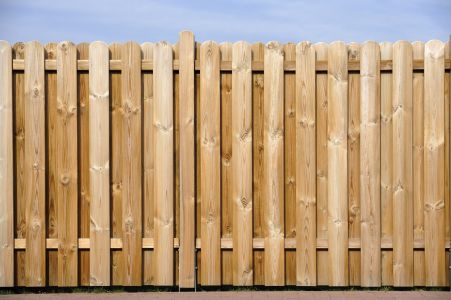
If you live in Pace, FL or a nearby Northwest Florida community, understanding fence permit requirements and HOA approvals before you start is the fastest way to avoid delays. When you are ready to plan, our fence installation services include guidance so your design aligns with local rules and your neighborhood standards.
Why Permits and HOA Approvals Matter in Pace, FL
Permits and HOA approvals protect you from costly rework and neighbor disputes. Cities and counties focus on safety, access, and storm readiness. HOAs focus on neighborhood look, uniformity, and property values. Both matter. A clean, complete submittal often saves weeks compared to filing after work begins.
Fence Permit Requirements in Northwest Florida: The Basics
Rules vary by jurisdiction, but the process is similar across the Panhandle. Most agencies want a site plan showing your lot lines, the proposed fence location, gate locations, and how tall the fence will be. You may be asked to show how the fence sits near streets, sidewalks, drainage easements, and utilities. In coastal areas and wind-prone zones, officials also consider structural details and materials for durability.
If your home is inside a platted subdivision, bring a recent boundary survey. Many reviewers will accept a copy of a prior survey if it clearly shows your lot and no changes have occurred. If your property borders water, a drainage pond, or preserved land, expect extra review for setbacks and access paths.
For an easy starting point, we keep our team focused on local rules and homeowner needs. You can also find helpful context about fence permit requirements in northwest florida so you know what to expect before you meet with your HOA or the building department.
HOA Rules That Commonly Affect Fences in Pace and Nearby Neighborhoods
HOA covenants, conditions, and restrictions set style and placement standards that sit on top of local codes. The exact rules differ by neighborhood, but many HOAs in and around Pace, Milton, and Pensacola look for these items:
- Approved materials and colors, such as wood shadow-box, aluminum with spear pickets, or vinyl privacy
- Maximum height and step-down requirements along streets or common areas
- Fence style matching the home’s elevation on corner lots or lots facing ponds
- Gate width for lawn and emergency access
- Rules for fencing around pools and play areas
Always get written HOA approval before you order materials. Verbal comments at a meeting are helpful, but the signed approval letter is what counts if questions arise later.
Setbacks, Height, and Visibility Rules to Confirm
Setbacks describe how far your fence must sit from property lines, sidewalks, roads, or water. Height limits often rise behind the front of the house and drop near streets or corners to protect driver visibility. Some areas require a “sight triangle” near intersections so drivers can see around your fence. When in doubt, ask about corner-lot standards and visibility triangles before you finalize your layout.
Corner lots often have stricter height limits near intersections. On interior lots, height limits may allow privacy in the backyard and lower heights at the front corners. If your yard backs to a shared pond or open space, expect rules that keep a uniform look along the shoreline.
Surveys, Easements, and Property Lines
Your survey is the map that keeps your fence where it belongs. Easements let utilities, HOAs, or the county access parts of your land for drainage, sidewalks, or service lines. Many permits and HOAs require you to keep these areas clear for maintenance.
Never build on a neighbor’s property or inside a drainage or utility easement. If your last survey is old or you added improvements, consider updating it so the fence line matches your title documents and avoids encroachments.
Utilities, Drainage, and Access Considerations
Before digging begins, coordinate with utility locators and check your site for cleanouts, boxes, and meters. Gates should be wide enough for lawn equipment and emergency access, and they should swing onto your property, not into public sidewalks. In neighborhoods with shared drainage swales, a step-down design or a short offset may be required to maintain flow and mower access.
Materials, Wind, and Coastal Conditions
Northwest Florida’s mix of sun, salt air, and strong wind calls for materials that hold up to weather. Vinyl, aluminum, and pressure-treated wood are common choices. Fasteners and posts matter as much as panels. In open areas that catch coastal winds, sturdier posts and deeper footings are typical, and some styles handle gusts better than others.
If you want help choosing a style that balances privacy, airflow, and upkeep, our team can walk your yard and match options to your goals during fence installation services. We focus on clear expectations so the style you pick works with both your HOA and local reviewers.
Timelines and Paperwork That Keep Your Project Moving
Most delays come from missing documents or unclear drawings. Make life easier by preparing a simple packet that shows what you plan to build and where it will go. A short note that explains your materials and color helps HOA boards move faster. Label gate swing directions and note any landscape changes so reviewers see the full picture.
- Current survey or site plan with the fence line, gates, and dimensions marked
- Fence style sheet or brochure with color and material callouts
- HOA application form and any neighbor signatures required by your community
- Photos of the yard from the street and backyard to show context
Once submitted, track your permit and HOA approval so you can answer questions quickly. If a reviewer asks for a change, a small tweak on paper is almost always cheaper than a field correction.
Common Scenarios Around Pace, FL
Corner lots: Taller privacy along the backyard often steps down near the side street. A decorative section toward the front can meet visibility needs and still look finished.
Lots facing ponds or greenbelts: HOAs may want open picket styles along shared views so the neighborhood feels consistent. You can often combine privacy on the sides with open pickets facing common space.
Pool yards: Pool fences have special safety rules that go beyond a typical yard fence. Expect limits on climbable elements, latch height, and gate self-closing features. Plan your layout so doors from the house and paths to the pool meet those standards.
Small side yards: Narrow setbacks may limit where you can place posts and gates. A compact gate with inward swing and a short privacy return can solve sightline and access concerns.
How to Start the Right Way With Santa Rosa Fence and More LLC
The easiest path is to align your plan with both your HOA and local reviewers before materials are ordered. We help you confirm the layout on your survey, select styles that fit your neighborhood, and prepare a clean submittal. That way, you get a smooth review and a fence that looks right on day one.
Here is a simple roadmap we follow with homeowners across Pace and nearby Santa Rosa County communities:
- Confirm your goals for privacy, pets, and curb appeal so the design fits how you live
- Review the survey and mark utility boxes, drainage paths, and any easements
- Choose materials that balance maintenance, airflow, and wind performance
- Compile a clear packet for your HOA and local reviewers with labeled drawings
- Schedule work to avoid peak permit seasons and major holidays
From the first yard walk to final inspection, our focus is a fence that passes review and feels like it has always belonged with your home. If you have questions about setbacks, height limits, or HOA styles, talk with Santa Rosa Fence and More LLC for plain‑English answers and a plan that fits your lot.
Ready To Build With No Surprises?
Call Santa Rosa Fence and More LLC at 850-995-4001 to start a simple, step‑by‑step plan. We will confirm your layout, prepare a clean submittal, and schedule a build that respects local rules and neighborhood look. When you are ready, book with our experienced team through our fence installation services page and move forward with confidence.
GET STARTED WITH YOUR FENCE INSTALLATION TODAY WITH Santa Rosa Fence and More LLC!