Landscaping Along a Fence Line: Plants That Look Great Without Damaging Posts
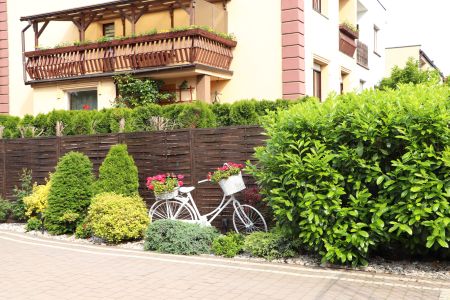
Your fence frames the yard, so the plants along it should boost curb appeal without hurting the structure. If you live in Pace’s warm, humid climate, you need plants with shallow, well-behaved roots plus a layout that keeps airflow strong and moisture off the posts. This guide explains which plants work, how far to space them, and how to build privacy that lasts. For tailored design and installation, see our landscaping solutions from Santa Rosa Fence and More LLC.
Want a quick overview before you dive in? Learn how landscaping along a fence line in Pace, FL fits into your whole-yard plan and how our team keeps fences protected while boosting property value.
Why Fence-Friendly Landscaping Matters In Pace, FL
Pace sits near Escambia Bay with hot summers, heavy downpours, and the occasional tropical storm. That mix means plants can grow fast and water can pool around posts if the grade is off. Wood fences risk rot, vinyl fences can stain from trapped debris, and metal fences can corrode where soil stays wet. Smart plant choices and layout protect the structure and keep maintenance simple.
Neighborhoods like Stonebrook Village, Woodbine Springs Plantation, and Ashley Plantation value tidy, layered borders that soften long fence runs. A solid fence-friendly plan gives you color through most of the year, screens neighbors without overwhelming the yard, and leaves clear access for inspections and small repairs.
Root-Safe Plant Picks For Fence Lines In Pace, FL
Look for compact plants with shallow, non-aggressive roots and good tolerance for heat and humidity. Aim for varieties that stay in bounds so you are not constantly cutting back near posts or rails.
- Ornamental grasses: muhly grass, fountain grass, and little bluestem add motion and color without bulky roots.
- Low, tidy perennials: daylily, liriope, society garlic, and coreopsis handle sun and fit under window lines.
- Dwarf shrubs: dwarf yaupon holly, compact loropetalum, sunshine ligustrum dwarf forms, and Indian hawthorn where disease pressure is low.
- Herbs that double as accents: rosemary and lavender in the sunniest, well-drained spots away from constant sprinklers.
- Climbers with care: star jasmine or confederate jasmine in moderation, kept off posts and trained on freestanding trellises placed a few inches from the fence face.
Choose shrubs with non-invasive, shallow roots so they will not push on pickets or trap moisture, and always confirm mature size before planting.
Smart Spacing And Layering For Privacy Without Pressure
Even the right plant can cause trouble if it is planted too close. Build a simple two- or three-layer layout that leaves breathing room between foliage and fence materials.
Keep plants 12 to 18 inches off the fence for small perennials and grasses, and 24 to 36 inches for most shrubs. That gap lets air move, keeps mulch from piling against posts, and makes trimming faster. Place the lowest layer in front, then step up heights toward the fence so the border looks full without leaning.
For privacy, think in staggered clusters rather than a straight hedge. Mix evergreen structure with seasonal color so the screen works year round. In tight side yards, repeat a rhythm of dwarf shrubs and grasses every 4 to 6 feet to avoid long, blank stretches that draw the eye.
If you want help balancing privacy with airflow and access, our team can design and install a layered border as part of our professional landscaping near your fence service.
Drainage, Mulch, And Soil Health Near Fence Posts
Pace soils often swing between sandy and compacted fill, which can wash out or hold water depending on how the yard was graded. The goal is steady drainage with clean, breathable surfaces around posts.
- Mulch lightly. Use a 2 to 3 inch layer of pine straw or shredded bark and stop it a few inches before each post.
- Create a no-plant buffer. Keep a small gravel collar around posts so water can drain and crews can inspect hardware quickly.
- Watch irrigation overspray. Reset heads so they do not hammer one spot on the fence all season.
Never mound soil or mulch against fence posts. That traps moisture and speeds up rot or corrosion, especially after summer storms.
Local insight: After a Gulf downpour, walk your fence line the next day. If you see mulch washed against posts, rake it back and add a slim band of angular gravel at low spots to improve drainage.
What To Avoid Beside Wood, Vinyl, And Metal Fences
Some plants are beautiful but can be risky right against a fence in our climate. Save these for open beds away from structures or use root barriers and extra spacing if you love the look.
- Running bamboo and aggressive grasses. They spread fast and can sneak under panels or crowd posts.
- Moisture-trapping vines on the fence itself. English ivy, wisteria, and similar vines hold debris and keep surfaces wet.
- Large, thirsty shrubs or trees close to posts. Species that cast heavy shade or pull a lot of water make drying times slow after storms.
- Spiky plants where people pass. Agave and full-size yucca can scratch rails and are tough to maintain in narrow side yards.
If your existing fence is already leaning or shows rot near grade, talk with us about options on fence installation so the new landscape works hand in hand with a solid structure.
Design Ideas That Fit Pace Neighborhoods
In Stonebrook Village, wide backyards benefit from layered beds that break up long fence runs. Try a repeating trio of dwarf yaupon holly, muhly grass, and daylilies, then tuck seasonal annuals at the front edge for color bursts. The soft movement of grasses hides posts without touching them.
In Woodbine Springs Plantation, many homes face bright sun and afternoon storms. Use compact loropetalum for evergreen structure with a hit of purple foliage, then add society garlic for fragrance and pollinators. Keep shrubs pulled forward a couple of feet so you maintain clear inspection paths after weather events.
Near Floridatown and other spots close to the bay, salt spray and wind are bigger factors. Choose tough evergreen anchors, keep vines on separate trellises, and space plants a bit wider so wind can move through without creating a sail effect.
Simple Maintenance Rhythm For Year-Round Curb Appeal
Fence line planting should stay beautiful with light, regular care. Set a rhythm that matches Pace’s growing season and heavy summer rains.
Every month or two during peak growth, lightly thin anything reaching toward the rails. After big rains, rake mulch back from posts, clear leaf pockets, and check that gravel collars are visible. In late winter, refresh the front edge with a clean spade line so the bed reads crisp from the street.
Schedule seasonal trimming to maintain clearance rather than doing deep cuts that shock plants. Keep the lowest foliage about a hand’s width above mulch to help air dry the bed after storms.
Privacy Layering Without Overcrowding
Want privacy but do not want to overwhelm the fence? Pair a mid-height evergreen row with airy grasses in front and low bloomers at the edge. In tighter lots, stagger the evergreen row rather than lining it up like soldiers. That keeps sightlines soft while preserving gaps for airflow and service access.
For vinyl fences, focus on lighter plants that do not press on panels and keep at least a hand’s width of space so they do not leave rub marks. For wood, prioritize shrubs that do not shed sticky sap, and clear out leaf litter at the base before the wettest months.
How Spacing Changes With Sun, Shade, And Wind
Sunbaked fences on south or west property lines can push plants to grow faster and wider. Start with the wider end of the spacing range so you are not forced to prune hard all summer. In shadier side yards, plants may lean. Give them a little extra room and rotate or thin so stems do not rest against rails after a storm.
Open lots that catch wind off the bay can funnel gusts along fence runs. Choose flexible grasses and compact shrubs that bend rather than snap. Keep trellis frames independent of the fence so any vine load does not transfer to posts.
Color, Texture, And Seasonal Interest
A great fence border feels balanced up close and from the patio. Use evergreen anchors to hold the scene in winter, grasses for movement, and perennials for color. Repeat textures every few feet so the eye flows. Add variegated foliage sparingly as accents to avoid visual clutter along long runs.
Think in threes for color. One evergreen tone, one warm accent like pink or coral, and one cool accent like blue or purple. Repeat that trio down the fence for a simple, polished look that reads well from the street.
When To Rethink The Fence First
Sometimes the best landscape plan starts with stabilizing the structure. If posts feel soft, rails show rust, or vinyl has cracked panels, address those before adding new plants. A straight, sturdy fence makes every planting look better and prevents root zones from getting disturbed during future repairs. Explore your options with our fence installation team so the design and structure work together from day one.
Bring It All Together With A Pro Plan
With Pace’s heat, quick-growing plants, and sudden storms, a fence-friendly border needs the right species, smart spacing, and clean drainage details. Our designers at Santa Rosa Fence and More LLC create layered borders that protect posts, boost privacy, and stay easy to maintain. If you want a plan that fits your lot, we can help you map out bed lines, choose root-safe plants, and set a maintenance rhythm that matches the season.
Ready to start? Call us at 850-995-4001 and ask about a fence line refresh, or book a consultation to plan your next-step landscaping update. We are local, we know the weather patterns, and we design with your fence’s long-term health in mind.
GET STARTED WITH YOUR FENCE INSTALLATION TODAY WITH Santa Rosa Fence and More LLC!