Wood Deck vs. Composite Deck: Which Makes Sense for Florida Weather?
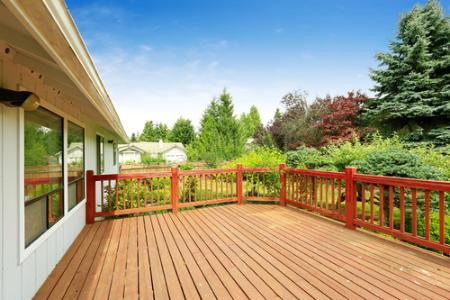
If you live in Pace, FL, you know our mix of heat, humidity, and pop-up storms is no joke. That is why “wood deck vs composite deck” is the first big choice for any backyard project. Below, you will see how each material handles Florida weather so you can plan a deck that looks great, stays safe, and fits your routine. If you want help mapping ideas to a real plan, our deck build team can show you designs and samples that perform well in our climate.
Not sure where to start? A quick conversation with a deck builder in Pace, FL can save weeks of guessing and help you focus on what matters most for your yard.
Wood vs Composite Deck in Pace, FL: What Really Matters
Florida is different from most places. Summer sun can bake surfaces. Afternoon rain arrives fast, then the air stays damp. Closer to the water, salt can speed corrosion. Your best deck choice should match how your family uses the space and where your home sits in Pace, from Stonebrook and Ashley Plantation to Woodbine Springs and Floridatown.
How Florida Weather Changes The Conversation
Think about how each element affects your deck over time:
- Sun and UV: color fading and surface temperature
- Rain and humidity: swelling, mildew, and drying speed
- Storms and wind: fastener quality and railing stability
- Salt air drift: hardware and hanger corrosion near bays and rivers
Heat, Sun, And Barefoot Comfort
Composite boards can run warmer underfoot in direct sun, especially in dark colors. Newer formulations and lighter shades help a lot. Wood usually feels a bit cooler but can splinter as it ages without steady upkeep. If your deck will be in full sun most of the day, plan for shade with a pergola or tree cover and choose lighter tones. Light colors and a textured surface reduce heat and improve traction on hot afternoons.
Moisture, Mold, And Slip Resistance
In a humid place like the Pace and Milton area, water sits on surfaces longer and feeds algae. Sealed wood can do well with consistent care. Capped composite resists moisture intrusion and stains but still needs normal cleaning to look fresh. Around pools or low decks that stay damp, traction ratings and board texture matter more than brand hype. Ask for capped boards with a slip-friendly texture if your deck sees frequent spray or shade.
Maintenance Realities In The Panhandle
Wood gives a classic look and is easy to repair board by board. It also asks for regular sealing and closer watch in shaded corners where algae forms. Composite avoids staining and sealing chores, and color stays more consistent year to year. You still rinse it, and you still check rail hardware after storms. The difference is where you spend time: wood needs finishing, composite needs simple cleaning.
Pros And Cons For Pace Homes
- Wood pros: warm, natural look; easier to change color later; often cooler to the touch.
- Wood watch‑outs: regular sealing; can warp, cup, or splinter if neglected; shows wear faster in shade and near splash zones.
- Composite pros: low routine upkeep; color stability; no sanding, staining, or sealing.
- Composite watch‑outs: darker boards can feel hotter; some brands need tighter joist spacing, especially on diagonal patterns; upfront investment varies by line.
Local tip: After big summer storms, rinse your deck and railings with fresh water to clear salt and pollen. That quick rinse helps coatings last longer and keeps fasteners looking new.
Safety note: If your deck is near the pool or stays shaded, pick a board with a grippy texture and keep walk paths free of algae so family and guests stay steady on wet mornings.
Hardware, Framing, And Details That Decide Lifespan
The boards you see get the attention, but the hidden parts carry the load. In our coastal-influenced air, fasteners and hangers matter as much as the decking. Choose stainless or coated hardware that resists corrosion, especially if you feel bay breezes at your home. Some composite systems may call for closer joist spacing than wood. Your builder will size framing to the product you select so the surface stays solid and quiet over time.
Neighborhood Use Cases Around Pace
Every lot breathes a little differently:
Full sun in Stonebrook. If your backyard sees sun all day, pair lighter composite with a pergola or go with wood plus planned shade. Foot comfort and fading resistance will be your biggest factors.
Shady oaks in Woodbine Springs. In deep shade, gutters, ground splash, and morning dew can keep boards damp. Capped composite with a slip-friendly texture can reduce green film build-up. Rinse and airflow are your friends.
Near the water in Floridatown. Salt in the air speeds rust. Favor stainless or quality coated hardware and keep a garden hose rinse routine after windy days.
Pool Edges, Grills, And Day-To-Day Living
Heat near a grill, wet feet from the pool, furniture movement, and sandy shoes all add up. Composite wins for wipe-clean surfaces and color consistency near splash zones. Wood feels familiar and classic around porches and screened rooms where sun is limited and upkeep is easier to schedule. For mixed-use yards, many families choose composite for the main deck and wood or aluminum accents for rail details and privacy screens.
When Wood Is A Better Fit
Some owners simply love the look and feel of real wood. If you enjoy seasonal projects and want the freedom to refinish or re-tint later, a well-built wood deck can be a great match. Prioritize sealing, airflow, and drainage so boards dry fast after summer showers. Keep furniture feet smooth to avoid scuffs and dents.
When Composite Is A Better Fit
If you want more weekend time and less upkeep, composite is your friend. It is popular for busy families, rental properties, and decks built near pools where water and sunscreen spills are normal. Choose lighter colors for cooler toes and look for boards with a visible texture for steady footing after rain.
How To Choose Your Deck Material
Walk through these simple questions to find your best path:
- Where will the deck sit: full sun, part shade, or mostly shade?
- Will the surface see constant spray from a pool or sprinkler?
- Do you prefer a set-it-and-forget-it routine or seasonal sealing?
- How close are you to bay breezes or salt air drift?
- Do you plan to change color down the road?
As you compare, remember that the crew and details drive the result. Quality framing, proper spacing, and clean flashing around doors keep any deck performing for years. If your deck will meet a fence line, coordinate styles and heights early. Our fence installation page is a helpful reference for matching privacy, airflow, and rail looks so the whole yard feels planned.
Climate Lessons From Nearby Coasts
Material performance in Gulf Breeze and Pensacola reminds us that salt and humidity never take a day off. For a deeper dive into how materials handle sun, salt, and moisture, this coastal guide on how different materials behave in our weather gives useful context, even though it is written for fences. The same forces affect decks and rails in the Panhandle.
Build It Right The First Time
Whatever you choose, the build should fit your home and your routine. That means careful layout, smart shade planning, and durable hardware. Rinse salt film after big winds, trim plants for airflow, and spot clean slippery areas before guests arrive. Simple habits stretch the life of any surface in Northwest Florida.
Ready To Map Your Deck?
If you want straight talk, local examples, and samples you can stand on, connect with Santa Rosa Fence and More LLC. We will help you compare textures and colors, plan shade, and size framing to your material so the deck feels solid and safe. When you are ready to see options and timelines, check out our deck build services, or call us at 850-995-4001 to start a quick site visit.
GET STARTED WITH YOUR FENCE INSTALLATION TODAY WITH Santa Rosa Fence and More LLC!